

On day twelve, flames refuse to die. The world watches Iran, Tehran – facing Tel Aviv, propped by Washington – without blinking. Some expected swift closure: one hit, then quiet. But time stretched thin, caught in haze, direction blurred. Strikes pound Iran hard, again and again. Still, nobody bows. Not a whisper suggests surrender.
When violence increased, some believed Israel and America would quickly overcome Iran due to superior forces. Still, events unfolded in tangled ways no one quite predicted. Right away, Tehran’s officials leaned on quiet defenses paired with diplomatic shifts – a blend analysts have labeled the “Tehran Strategy.” This approach uses natural landscape strengths, troop preparedness, alliances across neighboring states, plus resilience stretched over years.
Table of Contents
Iran’s terrain offers natural defense benefits
It’s not only how big Iran is that matters – its form plays a key role. Across terrain where mountains climb high and deserts spread far, progress drags. In places the rock walls soar and gullies wind sharply, armored vehicles find little room. Since natural barriers cut through routes, forces on foot meet difficulty right away.
Mountains define most of Iran’s borders, troops explain. Because paths wind high, shifting large forces demands long preparation – often many weeks of work. Progress drags on steep inclines, even with modern gear. Where rock walls climb fast, vehicles find little room to operate. Lines that carry supplies grow fragile across broken terrain. Upward trails slow everything. Strength fades where slopes rise. Peaks steal forward motion, grind machines thin. Rough terrain helps the ones who’ve learned its curves.
Strangers move clumsy there, stuck in tight spots. Through tight gaps, movement slows, much like water through a valve. When weather joins, it sharpens the land’s harsh start. High up, cold stings, while snow seals off paths. Every single mile ahead needs slow care. The ground here does not allow rushing. What begins as slope becomes a challenge.
From high positions, Iran holds its ground when pushed hard. When struck, resistance continues from multiple sides without pause. Structures and outposts spread wide across land, making a single strike ineffective overall. Because things are spaced out, harm rarely spreads beyond one spot. Silence lives in the spacing, not the size. To strike heavy misses the point if it lands wrong.
Missile and drone systems with advanced functions
Skyfire spills loose from old warehouses – time stacked deep in those warheads. Behind them, machines hum through night air, drifting wide past frontier lines. Different sorts come at once: sprinters, distance runners, a few meant to flicker out halfway there. First go the high arcs, then flat flyers skim earth and ridge. Still moving forward, every version is shaped by round after round of testing. Drones fill airspaces once empty of flight. What counts are flights that happen, not words about them. Weapons multiply as onlookers hesitate, unclear on what follows. Each step built on what failed before.
Deep under stone, hidden passages guard cold metal in thick walls. When explosions tear the sky, those bunkers stand – unmoved, protecting silent gears below. Once the noise ends, movement returns: slow breaths, soft steps, eyes open. Waiting resumes, not idle, just out of sight. A rocket firing shifts the whole picture. Since Tehran can strike far away, places close by never know what comes next. Threats speed past warnings, making foes pause before shifting soldiers. Safety used to come with distance – now it means less than before. Just the possibility of a hit alters war plans completely.
Regional Proxy Networks
Out of sight, Iran plays a big role in shaping events across the Middle East now. Not through direct attacks, yet through steady backing offered over years to different groups placed around nearby countries. Influence grows where quiet help has been given before anyone noticed.
Far beyond its borders, Iran uses hidden groups – often unnamed – to reach farther than armies can march. These fighters step in when tensions rise, hitting enemies where it hurts most. Supply routes get tangled under their moves, momentum stalls without warning, whole fronts ignite unexpectedly across distant lands. Here’s what happens next. When pressure shows up in more than one place, Iran stops being the only target. Attention jumps around, pulled in different directions. Energy spreads out rather than driving forward. Time slips by before anything takes hold. Now things slow down when aiming at Tehran. Before any push can build, it stumbles.
The West’s Miscalculation
Now, a few international security analysts are quietly rethinking Western assumptions about Iran’s strength. Earlier beliefs – that relentless airstrikes and rapid ground advances could quickly weaken its ability to strike back – are being questioned. Back then, twelve days ago, things looked unlike today. Instead of leaping into wider clashes, Iran appears to prioritize endurance. When strikes arrive, replies are measured. Strategy leans on waiting, not reacting fast. Outlasting takes priority over quick victories. What counts is remaining standing.
Day by day, the cost climbs – not only in blood but in coins and council debates. Patience becomes punishment for those across the line. Slow at dawn, heavier by dusk, it grinds without shouting. Resistance fades where noise is silent. Momentum shifts when fatigue outlasts fury.
Ongoing Airstrikes and Rising Tensions
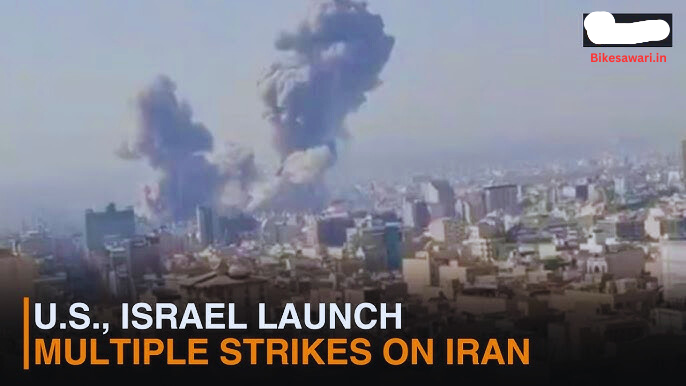
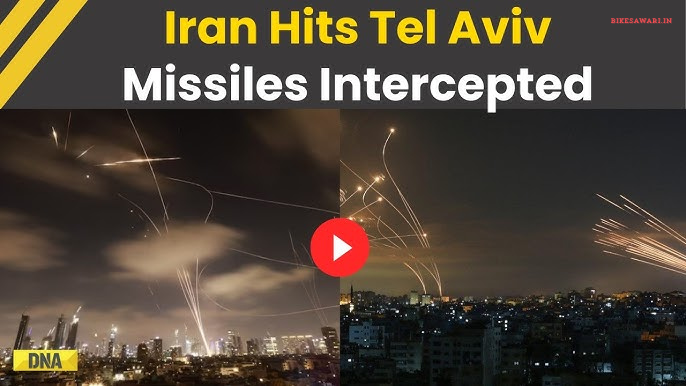
Frozen but flaming – the clash crawls forward, stuck in place. From above, bombs fall; answering them, rockets climb through smoke. Rather than retreat, Israel hit central Iranian targets designed to extend influence. Despite no ground gained, strikes continue anyway. Flying fast, Iran claims it hit many incoming attacks, protecting key spots from deeper damage. Blame keeps swirling, one side after another shouting across empty space as nerves stay stretched tight. Fear climbs, even if quietly, among governments paying attention. If battles stretch further, a tremor runs through the region – safety blinks out here and there, oil paths twist into new shapes.
World Seeks End to Conflict
Fighting still grinds forward, even as voices from global groups and heads of state repeat their pleas for restraint. Beyond the UN, several European nations are now urging dialogue over firepower – pressing hard for peace, right away. Even so, Tehran moves forward with force – defending, then hitting back – whenever its control faces resistance. This position suggests talking may not bring closure quickly.
Also Read – iPhone 17e launched! 48MP camera + A19 chip for just ₹64,900, a dream come true!
Also Read – Xiaomi 17 and 17 Ultra are a hit in India! Leica camera + Snapdragon power, the price will blow your mind!
