

Lately, eyes around the world turned again toward rising strain among Iran, the U.S., and Israel. Pressure mounts – yet something shifted just recently. Not silence this time, but words: President Masoud Pezeshkian now speaks with sharper clarity. He suggests a path forward could open up, though it depends on moves made early. Willingness sits in Tehran’s corner, so long as demands take shape right at the beginning.
A trail of steps begins where Israel moves, backed without hiding by the United States. If Iran’s position is met with real recognition, stillness could settle – so long as strong speech keeps old patterns from repeating. Quiet hinges on that balance.
Table of Contents
Iran Considers Peace Discussions
Facing questions head on, Pezeshkian claimed Iran avoided prolonged conflict nearby. Pressure built from outside actors, which left Tehran with narrow room to act differently. Seeming hostility, he argued, came only after provocation began elsewhere. Fairness must come before battles stop, says Iran’s top official. When rights line up, then peace gets room to grow. Without balance at the start, talk of calm rings hollow.
There, at last, clarity arrived. Just today, Pezeshkian laid down actual limits – firm terms – for halting conflict if Iran agrees. Out of fog, a figure emerged, bare and unembellished. Not vague or hidden anymore; now, substance stood present. Then silence settled around it. Footfalls thudded close, breaking the hush. Nothing like this clarity ever left his mouth before. Though still, everything tilts here, just slightly. Edges form now, clean and sudden, across what was open ground. What’s different stays, whether said out loud or not.
The Three Conditions From Iran
Ahead of talks, Pezeshkian set three steps to stop the fighting – not bundled, but moving in sequence. One follows another like footprints. Clear demands open the door, followed by possible compromise. What people do weighs heavier than what they say. Evidence counts above promises made. Pullbacks don’t happen overnight; they start to take shape only after a foundation of trust has been established on both sides.
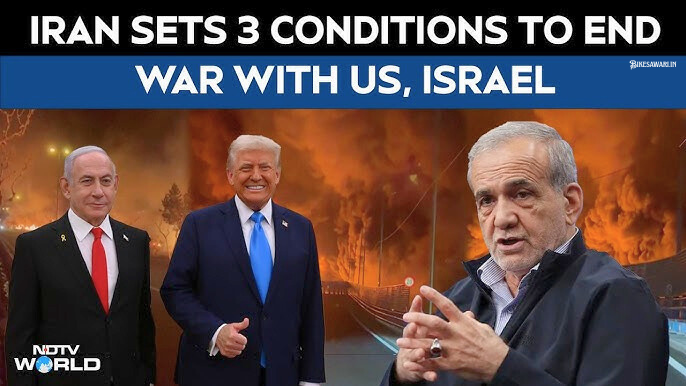
Here he stands, each part set slowly without rush. Not one thing added late, not a single gap left open.
1. Iran’s rights acknowledged
Forward motion happens only if Iran takes a seat, no strings attached. Standing firm, Tehran says self-defense and independence aren’t favors handed out by others. For Pezeshkian, equality isn’t an achievement to celebrate. Instead, it’s where real talks begin. Yet nothing shifts unless that space at the table appears.
2. Compensation for damages
What stands out now is the call for real compensation when fighting causes harm. Because attacks and halted trade have hurt Iran’s economy and public systems, authorities say so. Since moves like those deliver such a hit, responsibility must follow – that is how they view it. Reimbursement remains central to their stance.
3. Facing future threats, nations pledge support through distant allies.
Later risks might bring action taken by foreign powers. Safety steps appear when danger shows its face abroad. Outside forces step in if trouble begins to rise. Shielding comes from far places when shadows grow near Pezeshkian put it straight. Without solid commitments from global powers, actions like these won’t stop. His words were direct, devoid of any sugarcoating. When promises are shattered, ceasefires unravel in a hurry. Trust isn’t built on empty words; it’s forged through tangible agreements. Security isn’t a matter of hope; it’s about seeing things actually happen.
Tehran is methodically constructing its future. Their plans reveal their intentions, not through grandiose rhetoric, but through actions. Real advancements are evident in deeds, not in lofty pronouncements.
talks with russia and pakistan
It began, he claimed, with a post – though someone else might’ve noticed before that. Conversations unfolded across borders, shaping what got shared. Officials from countries eastward joined in, standing alongside Russian voices. His posts on what people call X pulled everything into the open slowly, one after another.
A quiet spreads just if pride stays untouched. Again he said Tehran wants calm along its borders – though standing tall comes from not trading who you are for peace. Quiet holds only where self-respect remains. He repeated that Iran desires hush at its margins – but keeping your back straight means not bartering soul for silence.
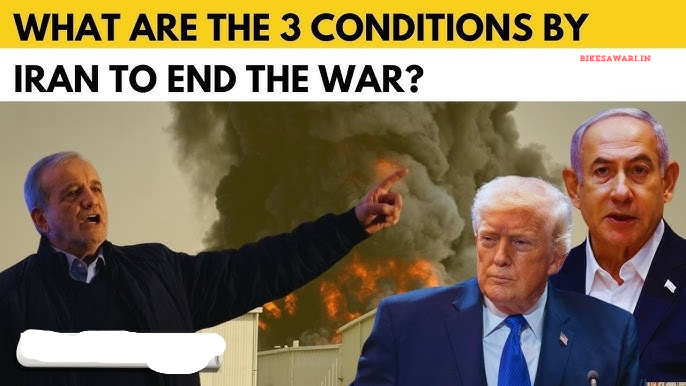
Peace takes more than talk, Pezeshkian said after meetings with Russian and Pakistani leaders – acknowledging Iran’s lawful claims is key. Payment must follow, though firm global pledges help build that ground. Real progress rests where trust meets commitment. Nowadays, ties between Moscow and Tehran remain strong, though Moscow keeps pushing for less tension everywhere. On another note, Islamabad puts trust in talks instead of fights, seeing silent efforts as a way to stop bigger trouble nearby.
Growing Diplomatic Pressure
A sound of walking fills the hall at the exact moment the message arrives. Each nation changes position gradually – motivated more by fear of saying nothing than belief in each other. The quiet lasts past its natural point. Tehran speaks first, tone calm though the look in the eyes shows strain. Things start to shift abruptly, driven not by promises but by the brink of disaster. A heavy quiet replaces the earlier optimism. The stillness deepens, not from faith in the present, but because the cost of retreat now outweighs the risk of moving forward.
Yet suddenly, sound replaces silence: withdrawal waits on safety, nothing more, nothing less. Words float easily when belief has bled away; promises must anchor deeper than talk. While voices push speed, Tehran holds ground – steps forward come slow, built where foundations run long.
Iran ready for long conflict
Months might pass before Iran steps back, should talks fail. What matters most, says Kabir Taneja, is that Tehran feels no need to rush a deal. Little push exists right now to halt the fighting. Look deeper, though, many factors keep fueling the unrest. Not one condition in the area pulls things toward peace. Eventually, pace shifts – varies by person hanging on. Choices made now suggest patience lives here instead of hurry.
Strong ideological narrative
Opposition to America has long defined who Iran sees itself as, ever since seventy-nine marked a turning point. When tensions climb, people often find themselves standing closer to their leaders.
Out of nowhere, shouts aimed at the U.S. and Israel begin to echo again. Riding moments of tension, they appear wherever things tighten. Frustration that once stayed quiet now pushes through sound. From these flashes, old defiant phrases start pulsing anew. When fights spread, rejection stands up – clearer than before. A distant growl draws near. In place of quiet, sudden voices sharpen.
Also Read – Iran neither bowed nor broke: America-Israel’s defeat in the 12-day war, know the big secrets!
Also Read – Amid the Iran-Israel War, a major claim: Did an Israeli missile hit the North Korean embassy in Tehran?
