

A sudden spotlight hit Kavya Maran again, even though she just keeps working behind the scenes at Sunrisers Hyderabad. Her name surfaced once The Hundred finished selecting players, showing her franchise chose Abrar Ahmed – a young spinner from Pakistan hardly anyone had heard of before.
Out of nowhere, opinions flooded in right after the announcement, especially among fans of India’s cricket scene. The web lit up quick – some cried foul play, others just shrugged, saying big matches have always played out like this. Voices clashed hard, yet the pattern felt familiar to most watching.
There she is, Kavya Maran, in the light as words spin and twist in games, power plays, and wars across borders. The din rises when sport and influence meet, and words thicken. The boundaries between competition and connection get fuzzy. In a world of increasing questions, silence frames her face. Moments of attention appear in fits and starts. Time to come is drawing near.
Table of Contents
Controversy Begins
Faster than expected, movement sparked during The Hundred’s auction process – the quick-fire cricket event started across England. Picks unfolding like that mean teams often bring in players from far-off places – spots you almost never see represented locally.
Abrar Ahmed is a slow bowler from Pakistan who has been picked by the team owned by Kavya Maran. This news has been received with an ambivalent look. Foreign players are a norm in big tournaments, but this particular selection has created a buzz among the people in India. A hush passed through fans when an Indian team official met a Pakistani player overseas – years since anyone played in India’s tournament, right after ties froze in 2009. Seemed to come from nowhere, even if years had slipped by without notice.
Right away, talk about Kavya Maran raced across the web. Outrage sparked just as quickly, remarks sharpening within seconds. People kept naming her – slipped beneath sharp words over and over. With each share stacking higher, anger built like water climbing before a break. Insults rolled into one another, volume growing through constant pushes.
Social media replies shape public talk
Folks began talking online after Kavya Maran showed up in headlines again. Not everyone welcomed it – some grew restless at the sight of Indian franchise owners tied to players from Pakistan, no matter where matches were held. Fury swept through social media, reactions flooding in fast because trust had already worn thin. Still, digital corners sparked nonstop – posts flew between users, comments piled deeper by the minute, laughter at the SRH owner’s expense refused to fade.
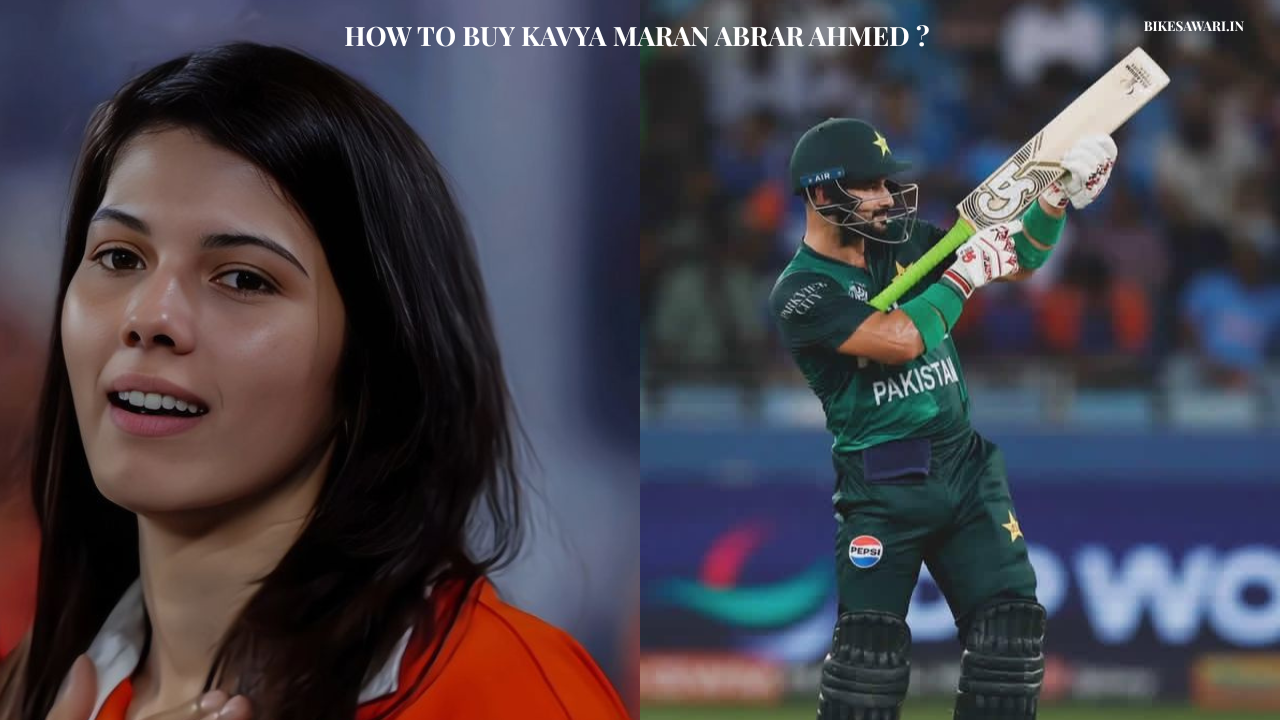
Even so, people began speaking up everywhere. It wasn’t only fans – analysts backed the decision as well. True, they said, The Hundred happens in England and draws players worldwide, so squad rules aren’t the same as what you find in the IPL.
Under bright stadium lights, athletes arrive from faraway places to stand on the same field – visible during events like Australia’s Big Bash or games scattered through the Caribbean, some barely known. National banners vary, but boots press into identical ground. When play moves forward, strangers wear identical uniforms, turn toward applause meant for names never heard in their hometowns. The space separating them narrows whenever crowds roar for a batsman raised abroad. Motion becomes a common tongue. Sound builds, edges fade.
Could it have changed anything, keeping games away from politics? Some people began asking themselves just that.
The Role of International Leagues
Far from their roots, cricket competitions begin to sprout. Without being tied to just one nation, tournaments such as The Hundred gather players from every corner where test matches happen – nothing like the way IPL runs things.
Most times, people watch what a player does now, forgetting where they started. With Abrar Ahmed, it’s not his background that catches attention – it’s the rhythm of his delivery. His timing clicks just right when speed matters most. Fast formats like T20 fit him because he builds pressure without rushing ahead.
Out of nowhere came Abrar Ahmed, then everything stopped – hardly anyone saw it coming. Curves bent strangely off his hand, which made T20 sides start watching, slowly at first. Forward he went, no noise around him, only quiet steps – though seasoned hitters kept slipping on his spin.
Even so, each time Pakistan plays, chatter about decisions linked to India’s team grows louder. Still, political undercurrents keep surfacing in these exchanges.
Kavya Maran Stays Silent on the Issue
Stillness surprises people, somehow. When Kavya Maran doesn’t speak, stories grow anyway – spreading fast through online spaces that care little for facts. People claim it went beyond strategy – coaches driven solely by winning gave clear directions. Still, some think otherwise: rising pressure built slowly, sparked by how sports can turn into proof of a nation’s worth.

Oddly enough, what catches attention is how cricket operates worldwide – its rules differ sharply from every other game. Even when team owners take part in events across different regions, managing more than one league tends to be their usual routine.
Her Appearance Today
When matches fire up, that is where she appears – Kavya Maran slips into moments that matter. She does not hover at edges; instead, threads herself through Sunrisers’ efforts to stretch further. Presence like hers murmurs rather than shouts, still people notice. While most choose familiar ground, she moves along quieter trails without announcement. Effort made softly, far from noise, builds shape over time.
Suddenly, games appear online and change the scene quick. What was tucked away behind curtains jumps out loud. One announcement from a figure in charge races across devices like fire. Power slips away slow – till it shows up bright on every corner. Feelings move fast now, jumping from screen to screen. The gap between moments closes before answers can catch up.
When the noise fades, motion stirs once more – eyes drift toward whatever changes place. Here and there, faint echoes of earlier reactions flicker, but new actions pull focus fast as activity resumes.
The Bigger Question Sports Versus Politics
Out of nowhere, voices grow louder when players take a stand. At this moment, attention turns to Kavya Maran. Boundaries start to fade once sports meet opinion. Season after season, worldwide events bump into these tensions. Could moments on the field ever stay separate from everything else going on?
Games beyond borders draw people together, especially when sport matters. Still, love for a homeland rarely stays quiet. When flags go up at matches, unity feels real – then vanishes. Loyalty to a state sneaks through, sharp and uninvited. Moments meant to connect might instead widen cracks, against what anyone assumes. Each loud footstep comes after a celebration, never only happiness. Though surfaces appear level, unseen angles pull underneath.
Out of nowhere, new debates spark as a different cricket tournament kicks off. Yet change creeps through the sport – gentle, constant.
